Newsletter Subscribe
Enter your email address below and subscribe to our newsletter
Enter your email address below and subscribe to our newsletter


Many fathers believed that as long as they worked hard and brought food home, the relational work would sort itself out somehow. Spoiler alert; it did not.
Let’s be honest, many of us grew up closer to our mother’s side. The aunties there call us “sweetheart” and give us food even when we are full. The cousins feel like siblings. You show up and they treat you like you were only gone for two minutes, even when it has been five years.
Then there is the father’s side. The vibe there can be… unique. You greet an uncle and he asks you if you still remember him. He reminds you of a story from when you were three years old, and you are there wondering if you were even born at that time. Some cousins look at you like they have seen you in a dream. And the whole atmosphere feels like a mixture of love, suspicion, and “eh… who is this again?”
It is not that anyone is bad; something just got lost somewhere along the way.
If we think back, our fathers and their siblings probably had their own small battles; old misunderstandings; silent competition; or maybe they just grew up in households where talking about emotions was not part of the family curriculum. Many fathers believed that as long as they worked hard and brought food home, the relational work would sort itself out somehow. Spoiler alert; it did not.
So the gap grew and we, the next generation, inherited a relational puzzle with some pieces missing.
We all remember those childhood family functions that were full of noise and nyama choma. Aunties laughing loudly; kids running everywhere; uncles claiming they used to be champions of a sport nobody has ever seen them play. But as we got older, those gatherings reduced. Life happened; people got busy; some issues never got resolved; and suddenly, the father’s side became a place we visit mainly at introductions or funerals.
The jokes started; “Those ones do not check on us,” or “They changed because of money.” Before we knew it, cousins drifted like WhatsApp groups that start with excitement and then die quietly after one person sends a morning devotion.
But here is the beautiful part; we can still fix it.
Healing does not start with a huge family meeting where everyone sits in a circle and shares feelings like a movie. It starts with small things; a phone call; a random visit; a message that does not begin with “long time.” Even a simple “How are you these days” can soften hearts that have been quiet for decades.
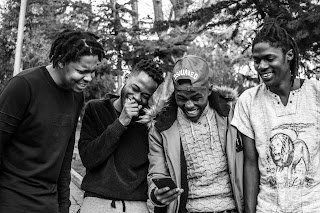
We can share life without revisiting every old wound. Sometimes, laughing together about the strange uncle who always arrives last; or the cousin who still claims to be the favorite; can open doors for deeper conversations later.
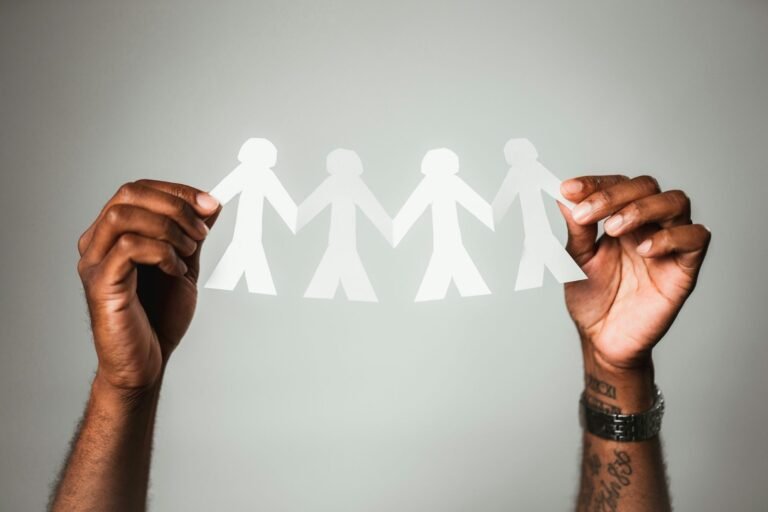
As the younger generation, we have a chance to rebuild the bridges that have grown weak. We can show up more often; gather cousins; create small meetups; celebrate each other; start traditions; and remind everyone that we still belong to each other. It does not need to be perfect; just consistent and warm.
Many of us have even made a personal decision to make this work; to not let silence and old patterns win. We want to be the generation that interrupts the cycle. We want our children to know their aunties and uncles on both sides; not only the side that cooks the best food.
And for those of us stepping into fatherhood, this becomes even more important. We want to be present; relational; connected; not only in our own homes but in the wider family too. We want to give our children the gift of belonging; the kind that comes from knowing where you come from and who loves you.
When one of us takes a step, others follow slowly. A cousin replies to your message; an aunty warms up; an uncle stops pretending he has forgotten your name. It does not change overnight; but little by little, things soften.
The distance we inherited does not have to be our legacy. Step by step; smile by smile; visit by visit; we can restore what was lost. Paternal ties can be revived; healed; and strengthened. And maybe one day, our children will laugh at the stories of how divided the family used to be; because they will have grown up knowing something better.
Stay Blessed!